NEWS / FEB 2026
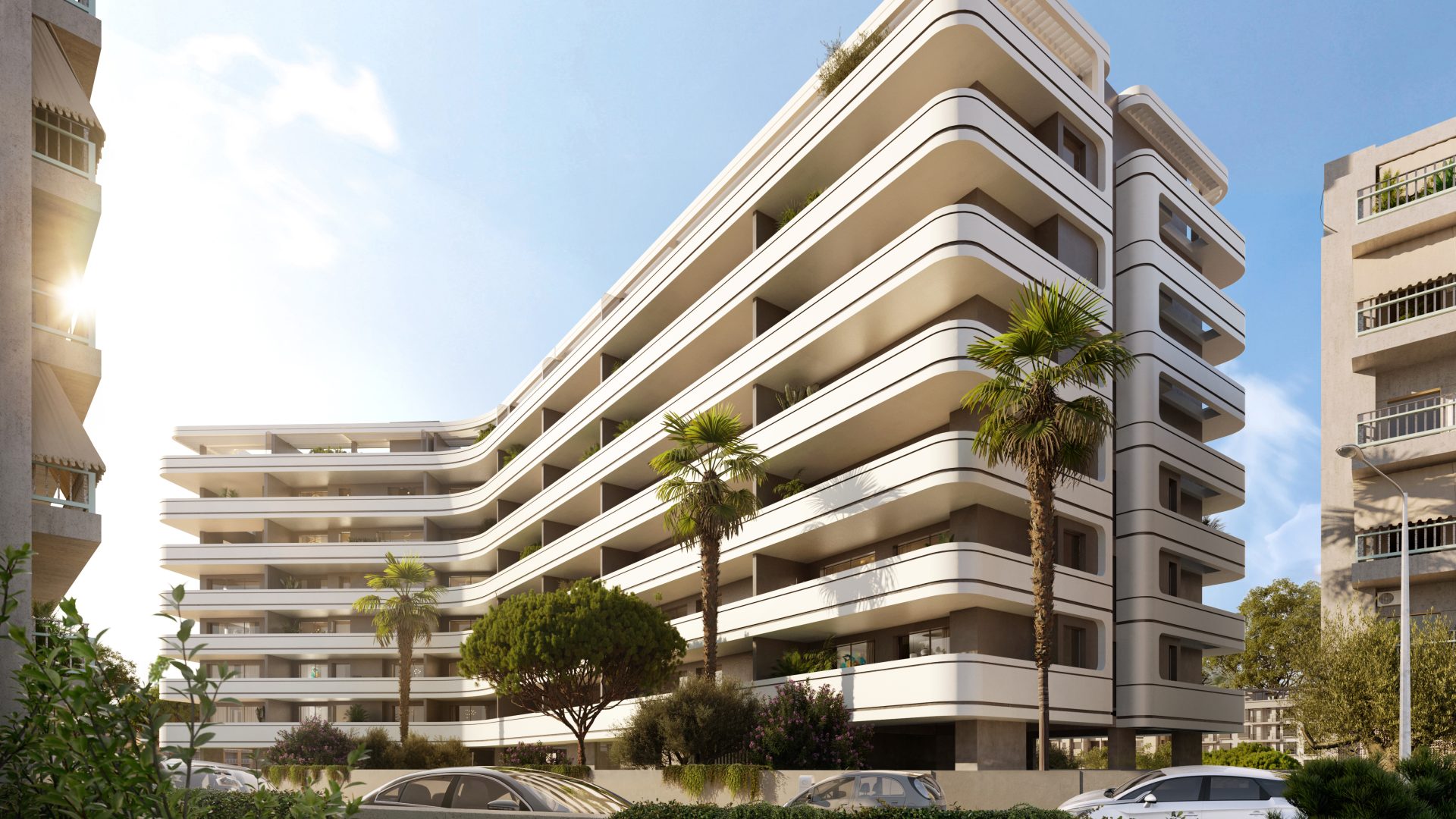
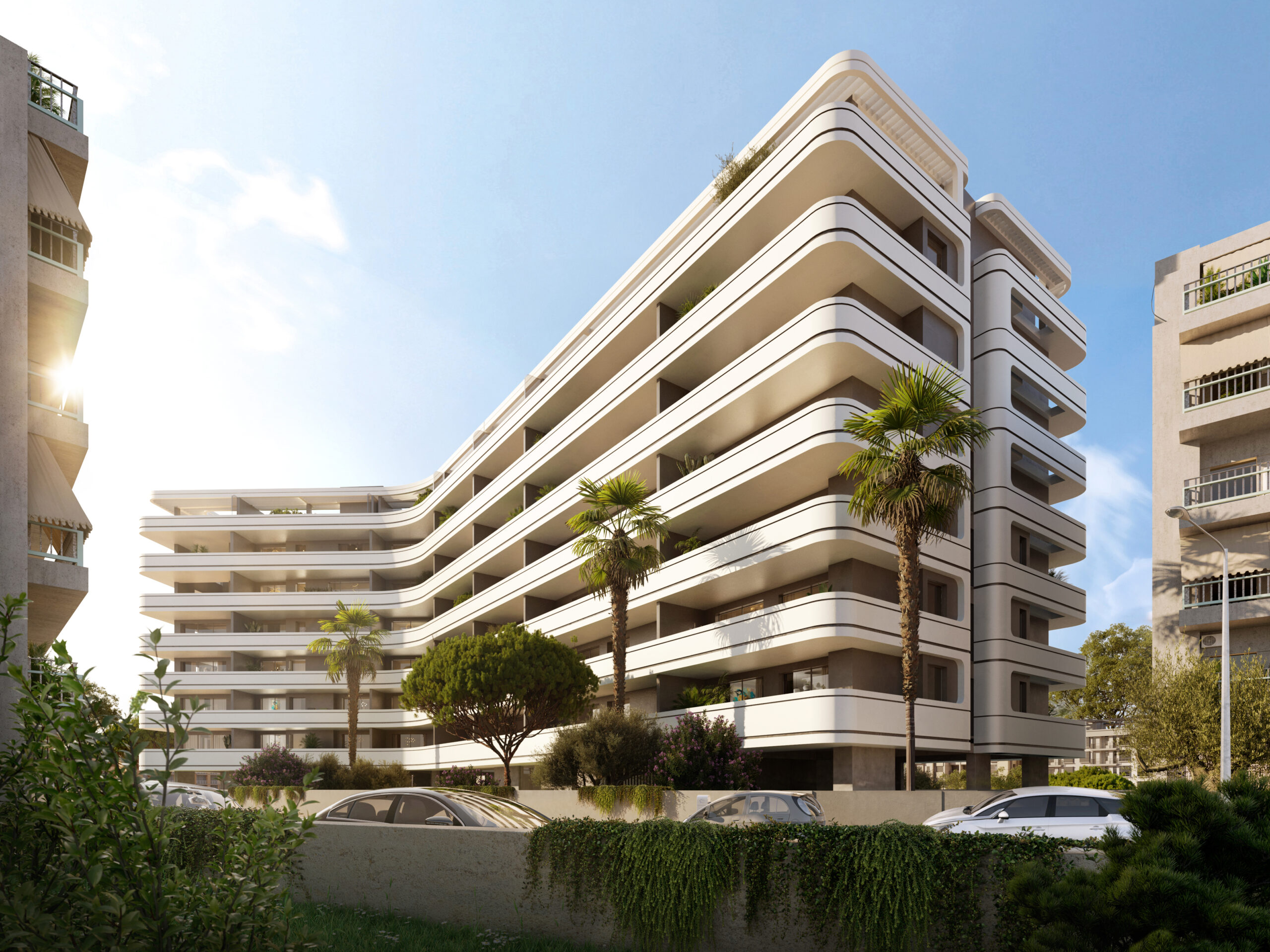
DESIGN & BUILD CONSTRUCTION: A COMPLETE APPROACH TO MODERN ARCHITECTURE
What is Design & Build?
Design & build is an integrated approach where architecture and construction are developed as a single, coordinated process.
Rather than separating design from execution, this model aligns all stages of a project — from concept to delivery — under one unified structure.
This approach reduces complexity and allows for better control over quality, cost, and timelines.
Why Integration Matters
In traditional project models, clients often manage multiple stakeholders — architects, engineers, and contractors.
This fragmentation can lead to:
- delays and miscommunication
- budget uncertainty
- inconsistencies between design intent and final outcome
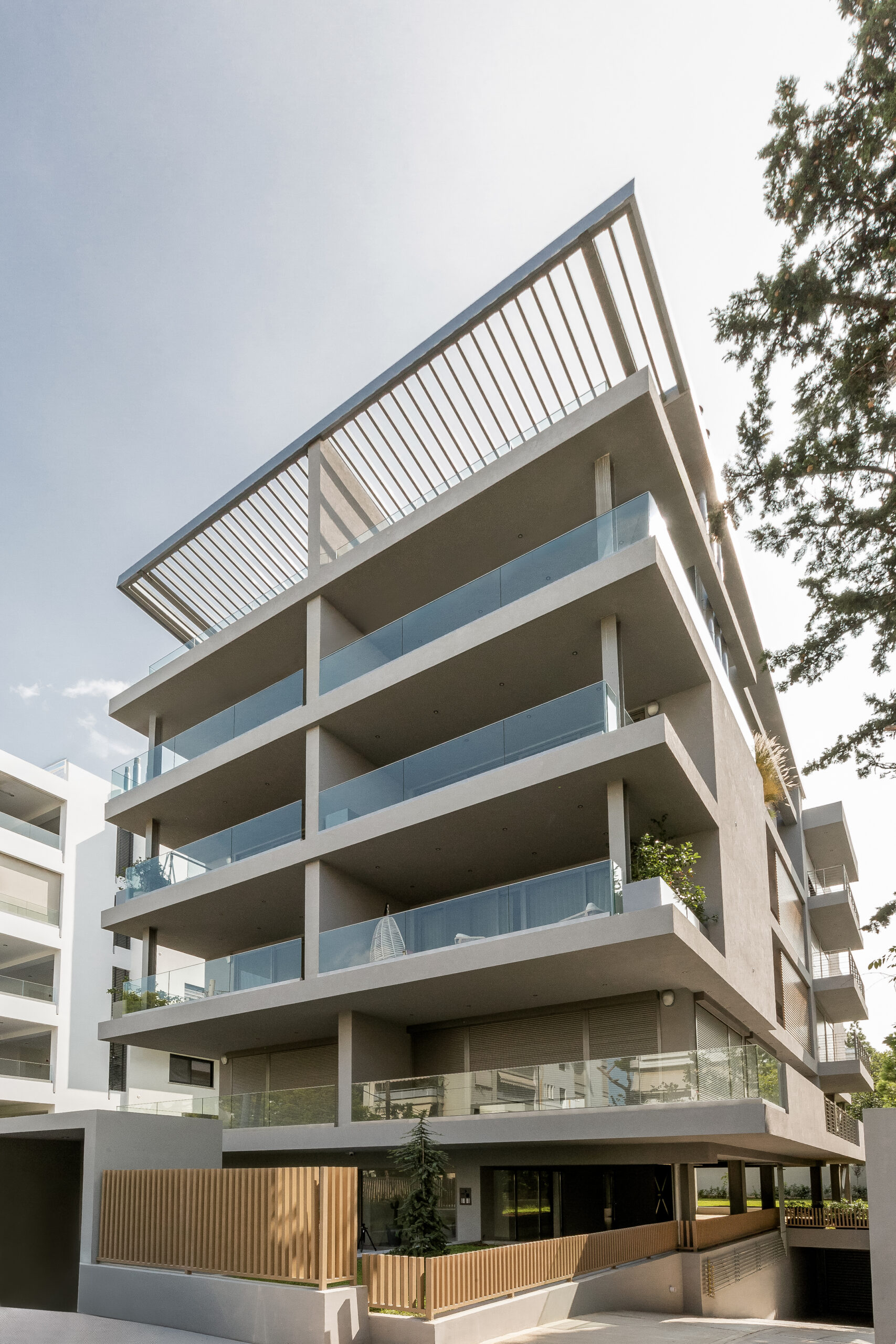
A unified design-build approach ensures clarity, alignment, and accountability throughout the project lifecycle.
Cost Efficiency & Project Control
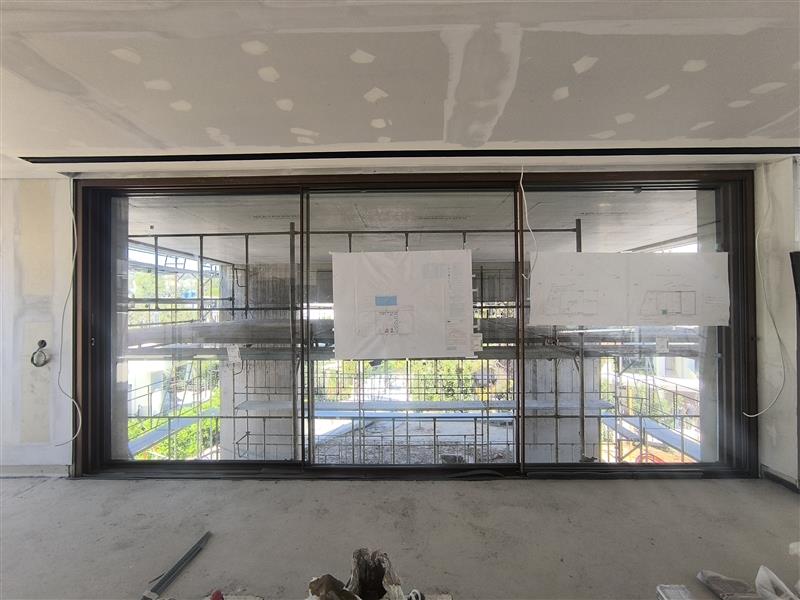
One of the most significant advantages of integrated construction is cost predictability.
By aligning design decisions with construction realities from the beginning:
- material selection is optimized
- construction methods are defined early
- budget risks are minimized
This leads to a more efficient allocation of resources and improved financial control.
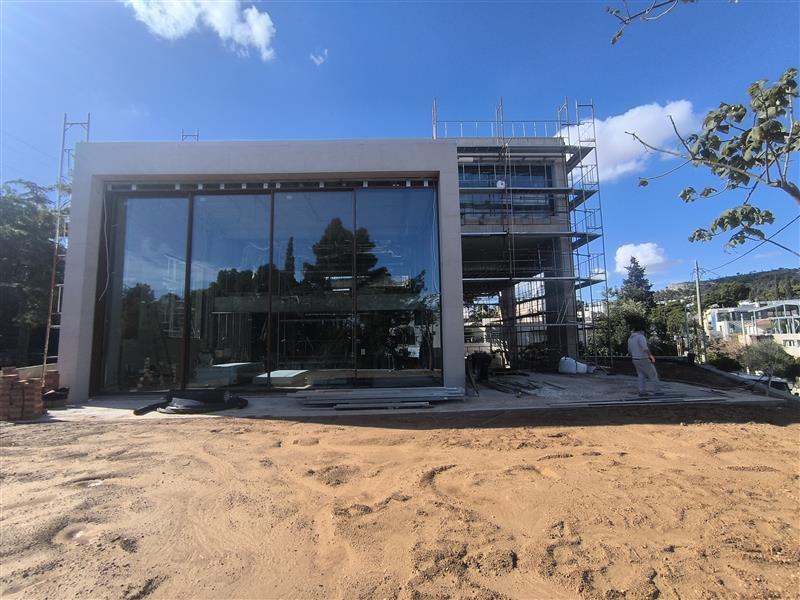
From Concept to Delivery
A successful project is not only defined by its design, but by its execution.
The relationship between architecture and construction becomes critical in ensuring that:
- design intent is preserved
- technical solutions are properly implemented
- timelines are respected
The result is a seamless transition from idea to built reality.
Conclusion
Contemporary architecture requires more than design excellence.
It requires coordination, precision, and execution.
A design-build approach allows projects to be developed as a complete system — ensuring consistency, efficiency, and long-term value.