NEWS / APR 2026
MODERN ARCHITECTURE TODAY: WHAT’S NEW, WHAT’S NEXT, WHAT’S COMING
A New Era of Architecture
Architecture has always reflected its time. Today, it reflects a moment defined by environmental urgency, technological evolution, and changing ways of living.
Modern architecture is no longer driven solely by aesthetics. It is shaped by performance, adaptability, and long-term value.
What defines contemporary design is not a single style, but a shift in priorities — from how buildings look, to how they behave.
What’s New: From Sustainability to Regenerative Design
Sustainability is no longer a feature — it is the foundation.
Today’s architecture moves beyond reducing impact, towards creating buildings that actively contribute to their environment. This shift toward regenerative design aims to improve ecosystems, reduce emissions, and enhance living conditions.
At the same time, materiality is evolving:
- natural and low-impact materials
- high-performance building envelopes
- integration of renewable energy systems
Architecture becomes both environmentally responsible and materially expressive.
What’s Hot: Nature, Technology, and Experience
Biophilic Design & Human-Centered Spaces
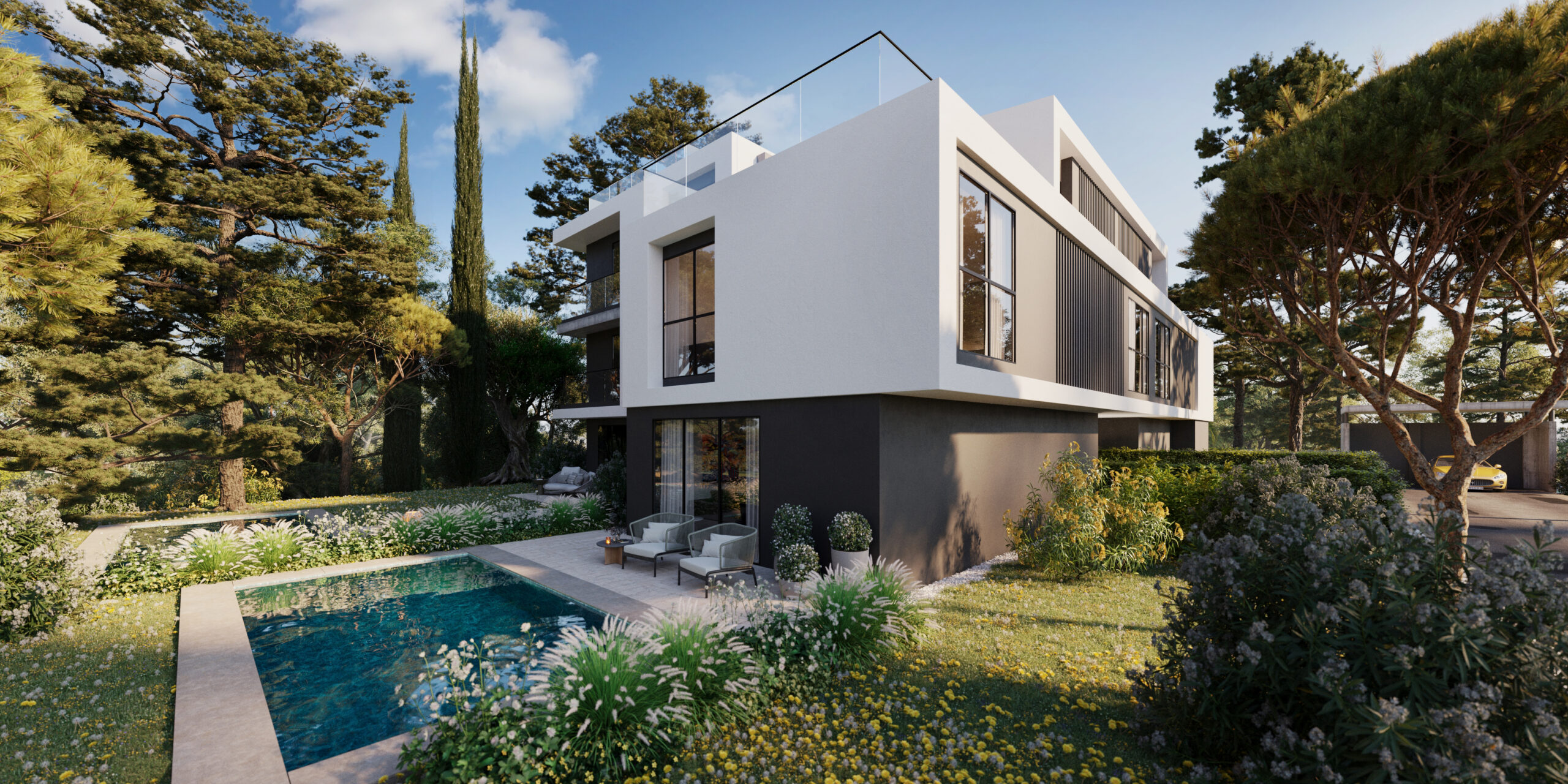
There is a clear movement toward reconnecting architecture with nature.
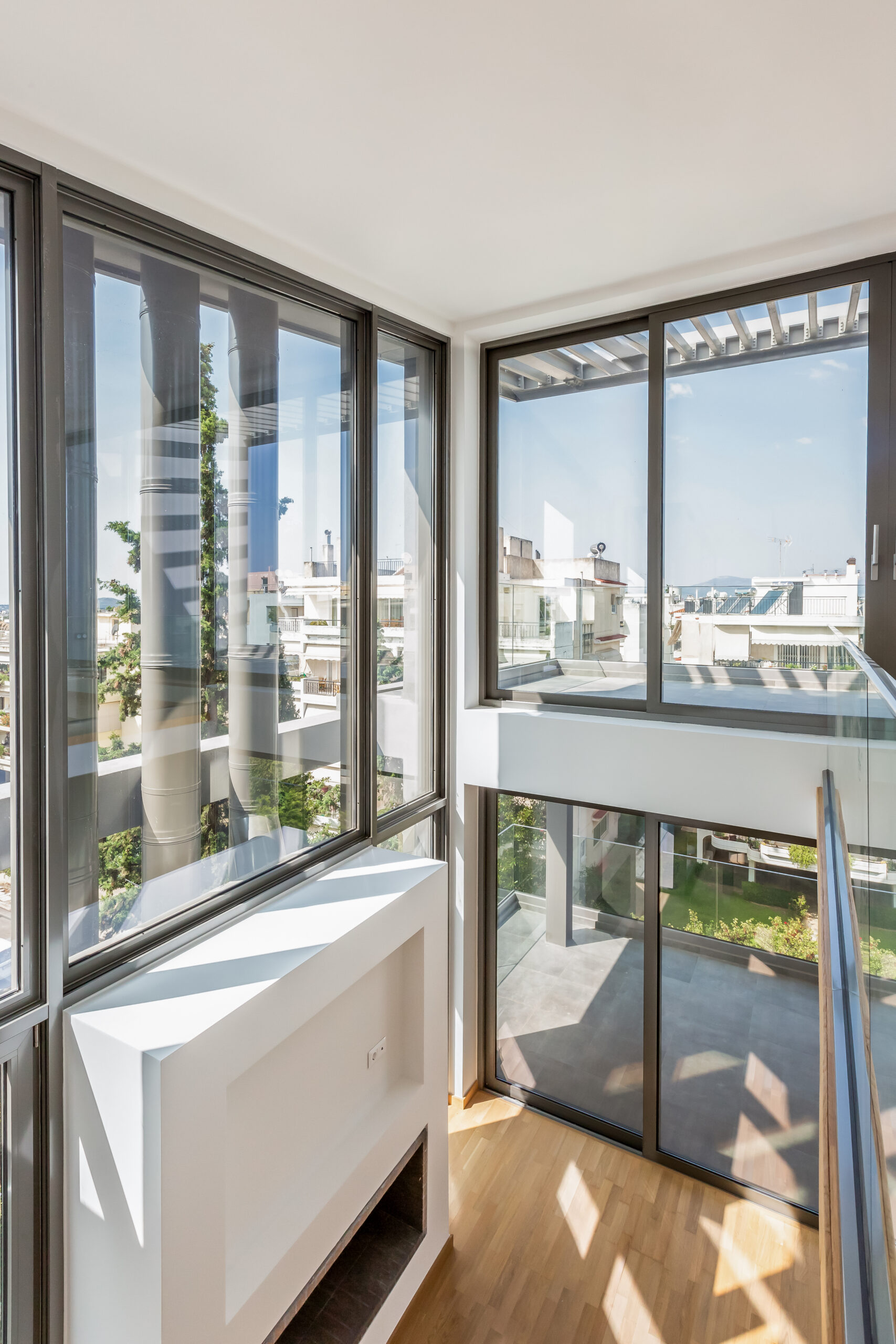
Natural light, vegetation, and indoor–outdoor continuity are no longer aesthetic choices — they are essential to wellbeing and productivity.
Spaces are designed to feel healthier, calmer, and more intuitive.
Smart Buildings & Digital Integration
Technology is now embedded within architecture.
Modern buildings increasingly integrate:
- smart climate and lighting systems
- AI-driven performance optimization
- real-time monitoring of energy and usage
These systems allow buildings to adapt to users, rather than the opposite.
Warm Minimalism
Minimalism is evolving.
Instead of cold, abstract spaces, contemporary architecture introduces:
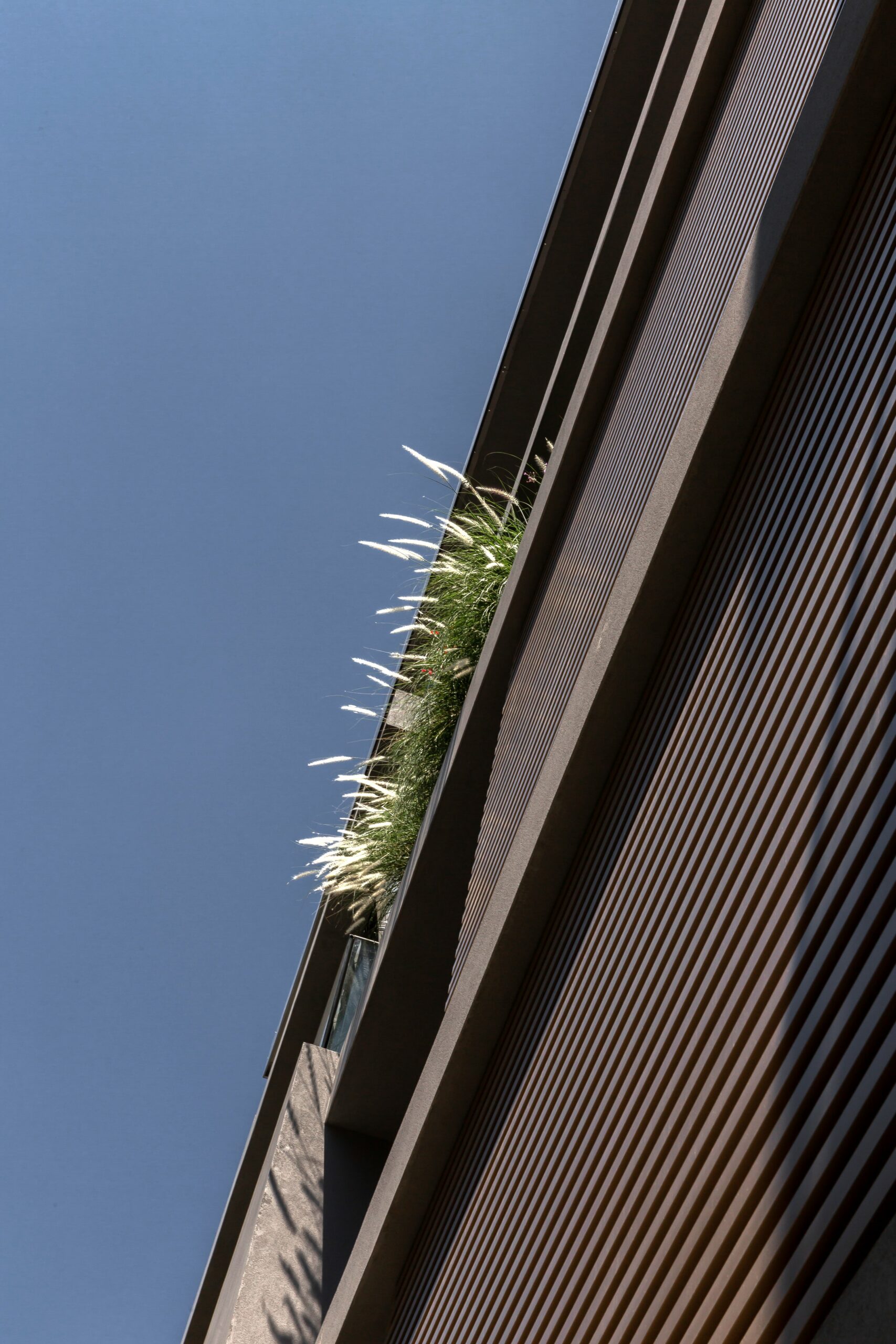
- softer materials
- textured surfaces
- warmer tones
The result is a balance between simplicity and comfort — a more human approach to modern design.
What’s Changing: Flexibility & Modular Thinking
The way we use space is changing — and architecture is adapting.
Modern buildings are increasingly designed as flexible systems, not fixed structures.
This is reflected in:
- adaptable layouts
- multi-functional spaces
- modular construction methods
Modular architecture allows buildings to expand, adapt, or reconfigure over time, responding to changing needs.
At the same time, off-site construction improves precision, reduces waste, and accelerates delivery.
What’s Next: Intelligent & Responsive Buildings
The future of architecture lies in intelligence.
Buildings are evolving into systems that:
- learn from user behavior
- optimize energy performance
- predict maintenance needs
Concepts such as digital twins, automation, and data-driven design are transforming how buildings are designed and operated.
Architecture is no longer static — it becomes responsive.
Beyond Design: Architecture as a Complete System
One of the most important shifts is not visual — it is structural.
Modern architecture is increasingly understood as a holistic system, where:
- design
- construction
- technology
- performance
are fully integrated.
This approach reduces complexity and ensures that design intent is carried through to execution.
The Future of Architecture
Looking forward, several directions are becoming clear:
✔ net-zero and energy-positive buildings
✔ circular construction and material reuse
✔ integration of AI and automation
✔ stronger connection between architecture and wellbeing
✔ adaptive, long-life structures
Architecture is moving toward resilience, efficiency, and long-term relevance.
Conclusion
Modern architecture is no longer defined by style, but by its ability to respond — to climate, to technology, and to human needs.
The most successful buildings today are those that combine:
- clarity of design
- precision of construction
- intelligence of systems
- sensitivity to context
At ACRM, this approach translates into projects that are conceived and delivered as complete systems — where design and execution align to create architecture that is both contemporary and enduring.