NEWS / FEB 2026
BIOCLIMATIC ARCHITECTURE IN CONTEMPORARY DESIGN
Designing with Climate in Mind
Bioclimatic architecture is not simply a technical approach — it is a design philosophy that considers climate, orientation, and materiality as fundamental elements of the architectural composition.
In contemporary practice, the objective is not only to create efficient buildings, but to shape spaces that respond naturally to their environment, reducing energy demands while enhancing the quality of living.
By integrating environmental parameters from the earliest stages of design, architecture becomes both performative and experiential.
Energy Efficiency as a Design Parameter
Energy performance is no longer treated as an afterthought. It is embedded within the architectural concept.
Through a combination of passive strategies and advanced construction methods, buildings today are designed to operate with reduced energy consumption while maintaining high levels of comfort.
This approach leads to:
improved indoor conditions
reduced operational costs
long-term sustainability
increased asset value
For both residential and commercial projects, energy efficiency directly influences performance and investment potential.
The Role of Thermal Insulation & Building Envelope
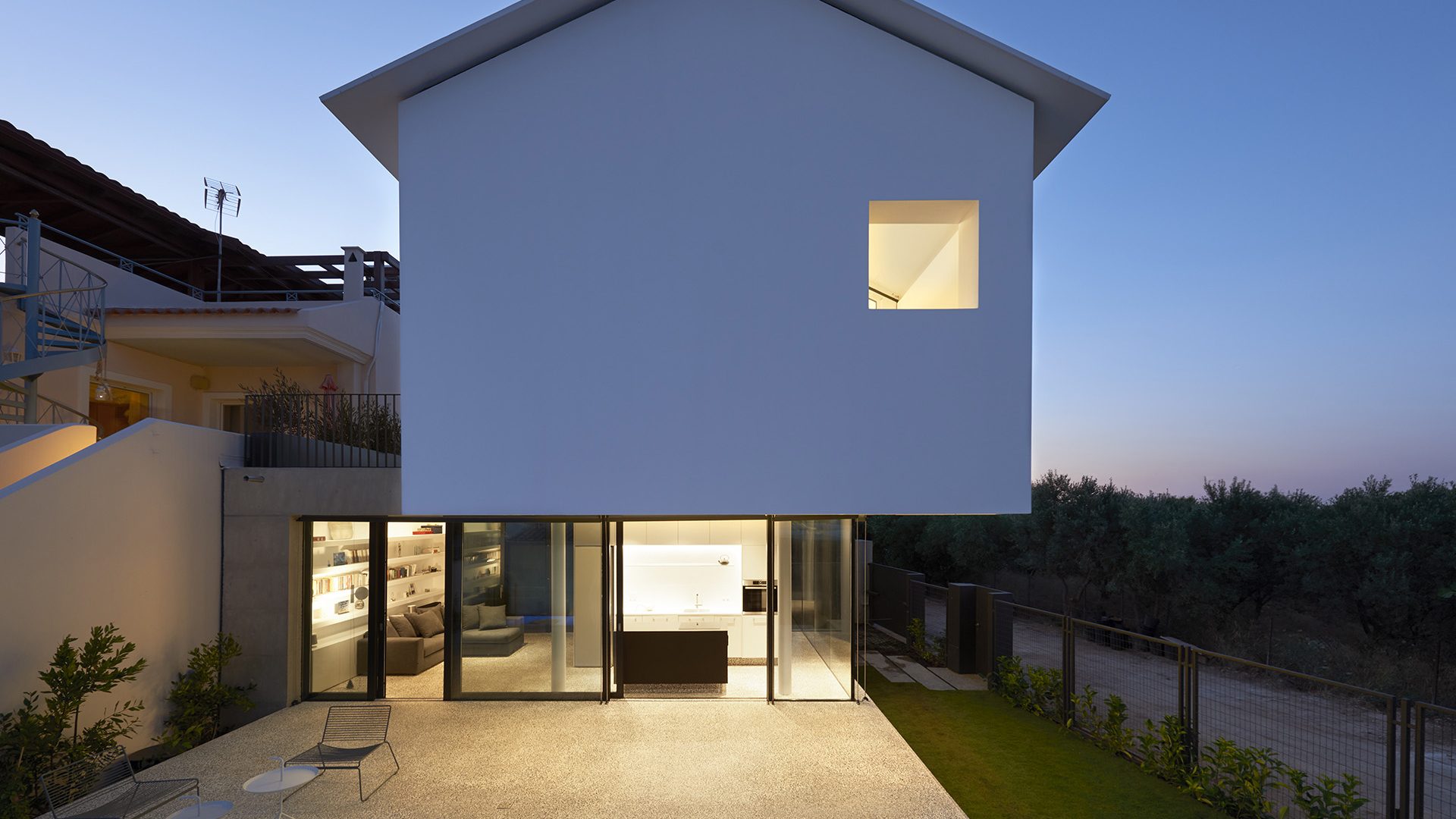
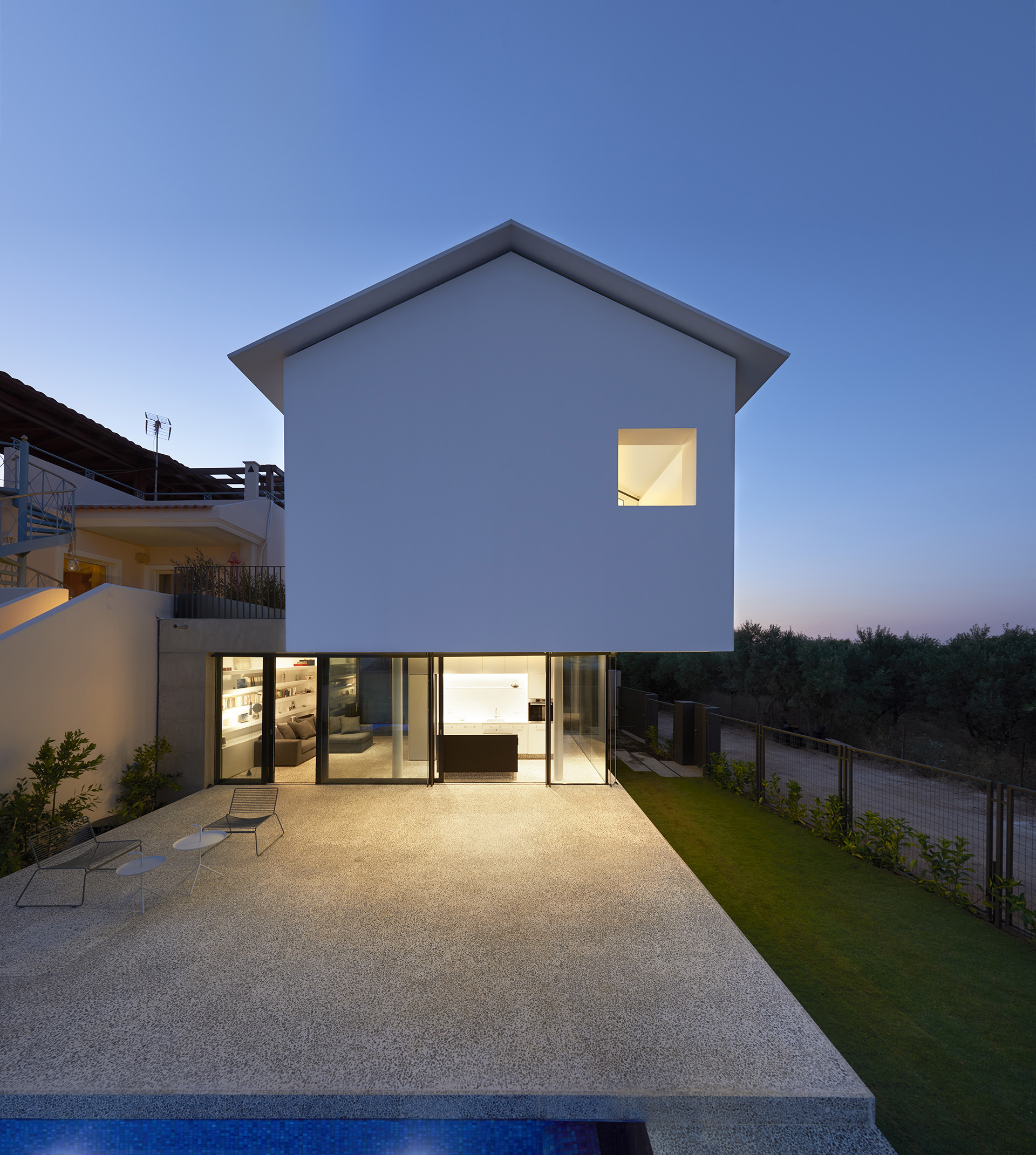
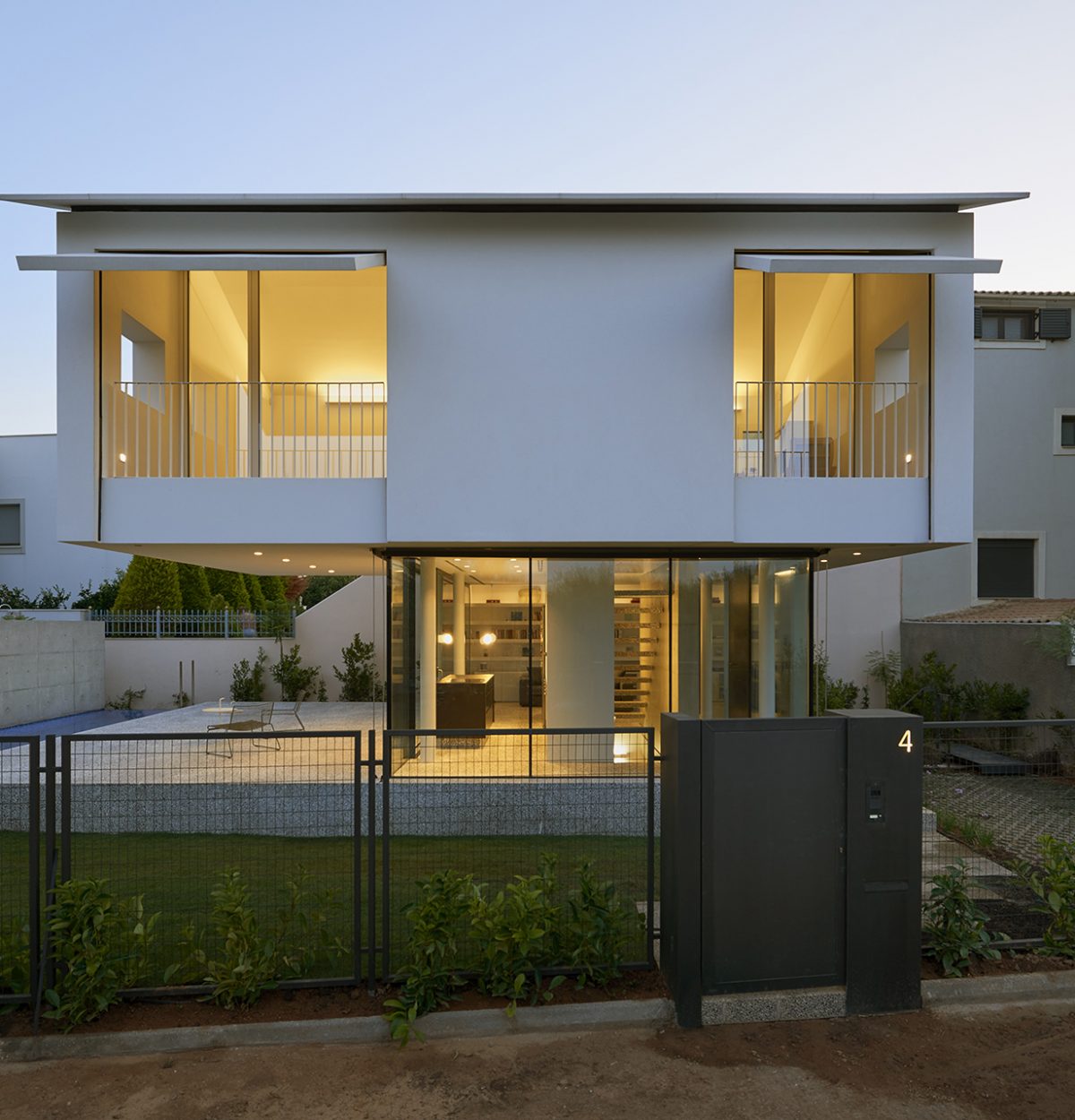
The building envelope defines the relationship between interior and exterior environments.
High-performance thermal insulation systems, combined with carefully designed façades and glazing, regulate heat exchange and contribute significantly to energy efficiency.
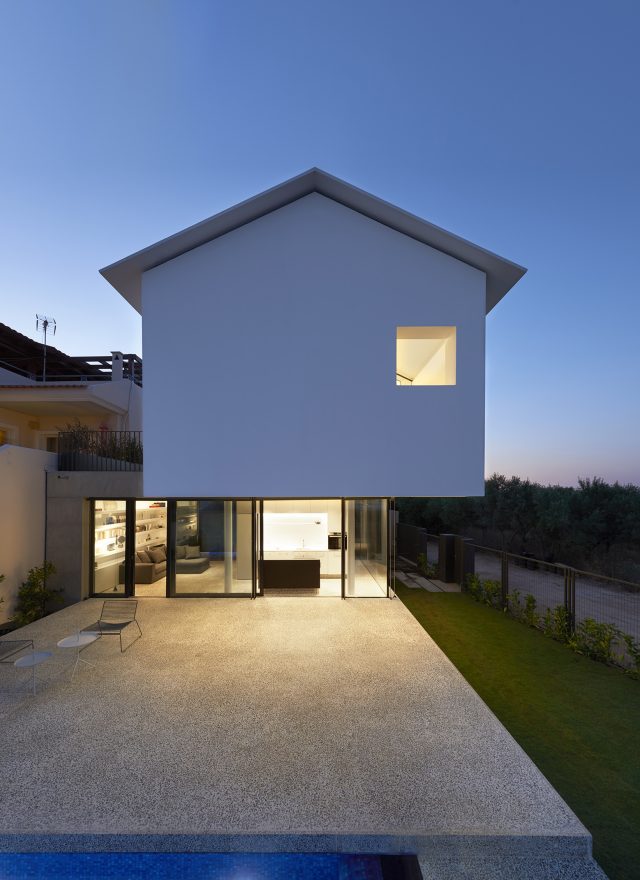
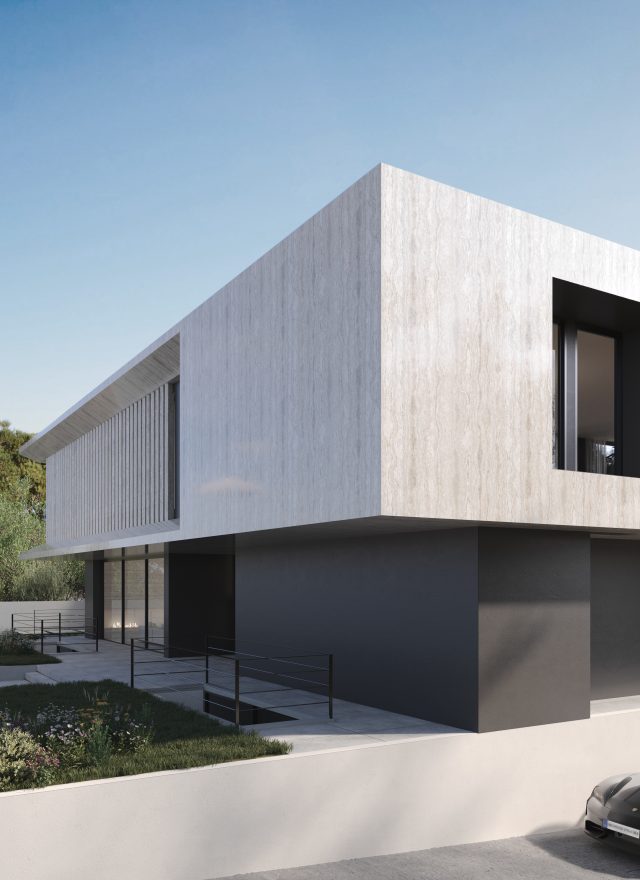
Rather than functioning purely as a technical layer, the envelope becomes part of the architectural expression — shaping volumes, textures, and the perception of the building.
Materiality, depth, and shadow work together to enhance both performance and aesthetics.
Orientation, Light & Passive Strategies
Orientation is one of the most powerful design tools in bioclimatic architecture.
Careful positioning of volumes and openings allows the building to:
maximize natural light
control solar exposure
enhance cross ventilation
create balanced indoor environments
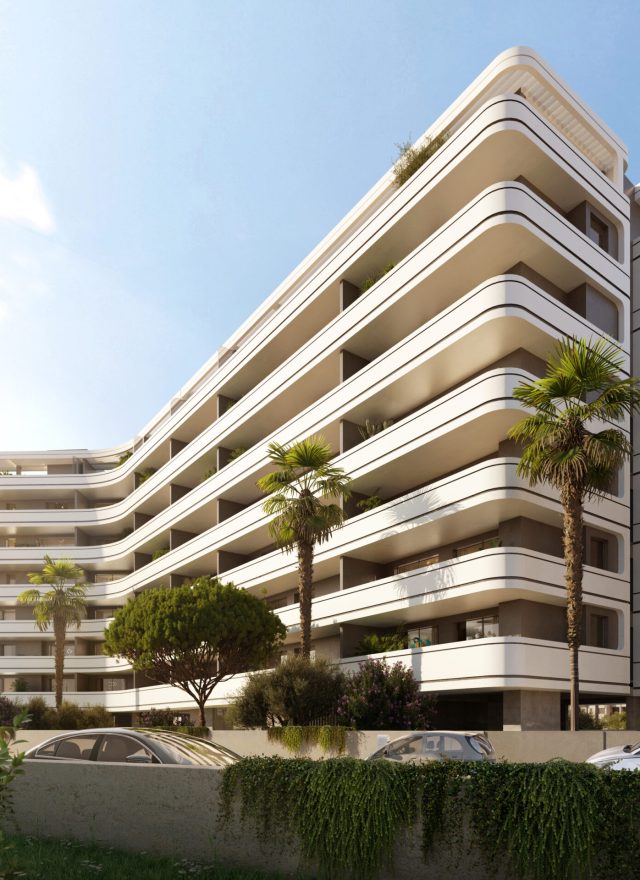
Passive design strategies reduce dependence on mechanical systems, while reinforcing the spatial experience through light, shadow, and natural airflow.
Integrating Mechanical Systems with Architecture
While passive design forms the foundation, mechanical systems remain essential.
The key lies in integration.
Heating, ventilation, and air conditioning systems are designed in coordination with the architectural and construction strategy, ensuring efficiency without compromising spatial quality.
Smart control systems further enhance performance, allowing users to monitor and adjust environmental conditions with precision.
Materiality & Construction Approach
Material selection plays a critical role in both performance and identity.
Natural materials such as stone and wood, combined with contemporary construction techniques, contribute to thermal stability, durability, and a balanced architectural language.
At the same time, modern construction methods enable:
improved precision
reduced waste
better integration of technical systems
The relationship between design and construction becomes essential in achieving a coherent and efficient result.
Renewable Energy & Future-Oriented Design
The integration of renewable energy systems enhances the long-term performance of contemporary buildings.
Photovoltaic panels, energy storage systems, and efficient water management solutions reduce dependency on external resources and contribute to environmental responsibility.
Bioclimatic architecture, combined with technological innovation, creates buildings that are adaptable, resilient, and future-ready.
A Holistic Approach to Contemporary Living
Bioclimatic design is not a trend — it represents a shift in how architecture is conceived and delivered.
It requires a holistic approach, where design, construction, and technology operate as a unified system.
The result is architecture that is:
efficient
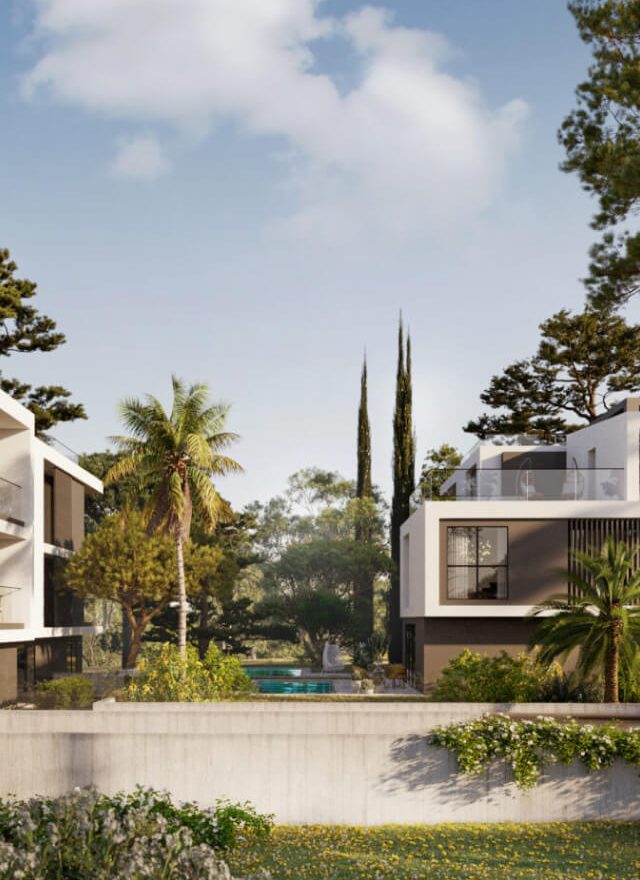
contextually integrated
aesthetically refined
built for long-term performance
Conclusion
In contemporary architecture, performance and experience are inseparable.
Bioclimatic design allows buildings to respond intelligently to their environment, creating spaces that are both efficient and timeless.
At ACRM, this approach is embedded in the way each project is designed and delivered — combining architectural thinking with construction expertise to achieve clarity, precision, and long-term value